In Conversation with Maria Then
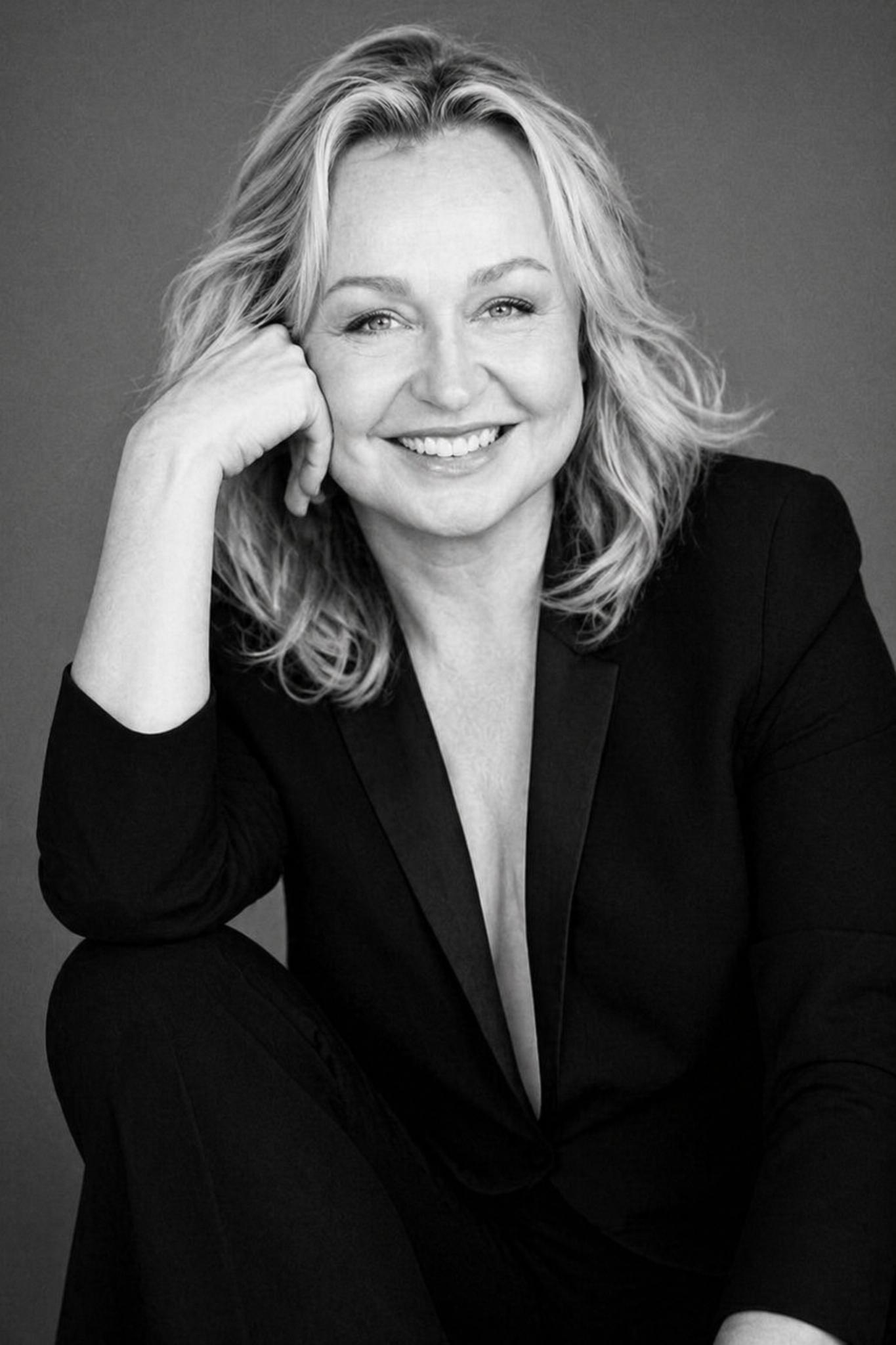
Tell us about your background:
I’m a jewelry product and design executive with more than 20 years of experience building brands, product strategies and businesses across luxury, fashion and large scale retail.
I started as a designer and grew into global leadership roles spanning product strategy, design, merchandising and brand transformation. I’ve worked across very different parts of the industry, ranging from creating runway jewelry for Giorgio Armani and Michael Kors, to curating product strategies and assortments for 1 Billion+ brands.
Today, I’m the founder of The Product Collective, where I work with jewelry and accessory brands on product strategy, design direction and assortment development. What continues to motivate me is the same thing that drew me to design in the first place: creating product people genuinely want to wear and building strong businesses around it.
What do you wish you’d known when you started out?
Great product is just the beginning. How it's presented and marketed to the end consumer will either reinforce the product story you're trying to tell, or kill it.
As your career progresses, so much of the work becomes about connecting with people. Building consensus, collaborating across different functions, understanding what motivates people and creating strong teams are every bit as important as the design skills you start with. Your ability to align people to your message is what allows you to have a much bigger impact once you are there.
Best career advice you've ever received?
One of the best pieces of advice I received was not to rely only on design and aesthetics to build a brand. I needed to understand the commercial side of the business just as deeply.
That changed the way I thought about my role as a designer. Beautiful product is only successful if a customer wants to buy it, wear it and come back for more.
At the end of the day, one of my favorite things is getting on the subway or walking down the street and seeing someone wearing something I helped create. I don’t make museum pieces. I make product for people, and understanding the commercial side of design has made me much better at doing that.
What leadership qualities are important to you?
Clarity, trust and the ability to listen.
I think the best leaders set a clear direction, give people ownership and create an environment where different points of view are welcome. I also believe strongly in building teams with people who bring different strengths and perspectives than I do. The goal is not to have everyone think the same way. It is to get the strongest thinking into the room and align around the best outcome.
What has been the biggest challenge in your career so far?
Learning how to create change inside large organizations.
Good ideas are rarely enough on their own. You have to understand how decisions get made, bring the right people along and build support across functions that may have very different priorities.
That has taught me a lot about patience, communication and when to push hard versus when to give an idea more time to develop.
How do you define success in your career, and how has that definition evolved over time?
Earlier in my career, success was easy to measure through titles, promotions and increasing responsibility.
Today, I think about it more broadly. I want to do work that has a real impact, work with people I respect and continue learning. I also value having the freedom to choose the problems I want to solve and the people I want to solve them with.
How has networking contributed to your professional growth and success?
Networking has been incredibly important to my career, but not in the traditional sense of collecting contacts.
Most of the meaningful opportunities in my career have come through relationships built over time. Former colleagues become clients, mentors become friends, and sometimes a conversation from years ago turns into an opportunity you never expected.
I love connecting great professionals with the right opportunities as well, so it goes both ways.
What are your top networking tips for building strong connections in your industry?
Be curious about people and stay in touch when you do not need anything.
Make introductions. Share information. Recommend people for opportunities. Be generous with your network.
I also think it is important not to focus only on people who are more senior than you. Peers and people earlier in their careers often become some of the most valuable relationships you build over time.
LinkedIn: https://www.linkedin.com/in/maria-then
Website: www.theproductcollective.com
Instagram: @maria.then
