
In Conversation with Margarita Saplala
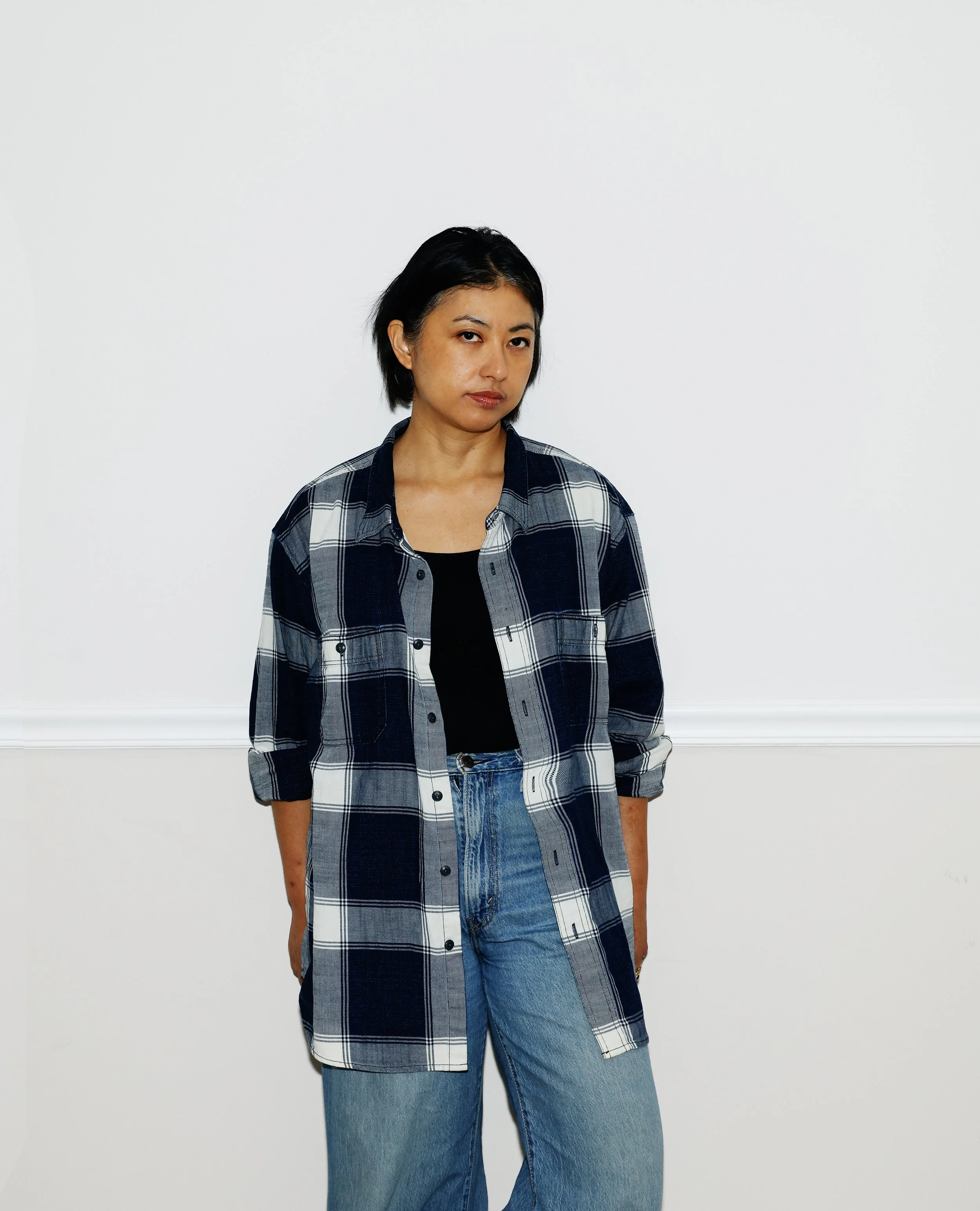
Tell us about your background:
My family moved to Chicago from the Philippines when I was two years old, and I grew up watching my parents build careers and a business in a new country. They dedicated themselves to creating a life from the ground up, navigating challenges with determination and resilience. Growing up in that environment, entrepreneurship never felt foreign to me. It felt natural—seeing an opportunity, figuring out how to make it work, and being willing to take the risk to build something of your own.
For me, that desire to build became closely tied to creativity. I spent a lot of time drawing and painting as a child, and eventually discovered that clothing could become another language—a way to communicate ideas, emotions, and a point of view. Starting my own brand allowed me to bring those two sides together. I could create from instinct, but I also had to understand the business behind the creativity: the customer, the market, and how to turn an idea into something people wanted to buy. That balance has shaped my career.
My entrepreneurial mindset led me to leave a stable position in Halston Coats licensing and join a small luxury fashion startup, where I learned the business from the inside out. I wore every hat, from design and production to shipping orders and invoicing retailers. The hours were long and the pay was modest, but the education was invaluable. It gave me a holistic understanding of what it takes to build a fashion brand.
I eventually launched my own label with a ten-piece high-end T-shirt collection while freelancing to support myself. The collection was picked up by boutiques in New York and Tokyo, and I landed my first major order with Barneys New York. Over the next eight years, the brand evolved into a contemporary women’s collection known for bold prints, vibrant color, and a modern point of view, with retailers including Beams and Tomorrowland in Japan. The collection also received editorial recognition from Vogue and Allure and was worn by Victoria Beckham.
As the brand grew, I learned that the biggest challenge wasn't creativity—it was scaling the business. The financial crisis made growth increasingly difficult without outside investment, and I ultimately closed the company in 2015. It was difficult, but it taught me that building a successful creative business isn't about doing everything yourself; it’s about creating the space to grow creatively and strategically.
While running my brand, I fell in love with creating prints. I went on to work in-house and freelance for brands including Gabriela Hearst, Urban Outfitters, and Anthropologie, where I discovered the world of print studios and the creative potential of developing curated collections for exclusive licensing.
In 2019, I founded Print Patisserie, bringing together my entrepreneurial and creative experiences. Today, the studio sells print collections to more than 30 fashion brands, collaborating with artists from around the world for luxury and contemporary ready-to-wear and swimwear. Looking back, every chapter of my career has been driven by the same instinct: to create, to build, and to continually reinvent.
What do you wish you’d known when you started out?
I wish I understood sooner building a sustainable creative business means not doing everything myself. I wore every hat which made me a stronger entrepreneur because I learned every part. But, just because you can do everything doesn’t mean you should.
The downside was that I became so focused on operating the business that I wasn’t giving myself enough space to think strategically or creatively. As designers, our greatest value is not just executing ideas-it’s anticipating what’s next. That requires time to observe, experiment and take creative risks.
I also learned how easy it is to become attached to what’s already successful. When something sells well, the temptation is to keep repeating it w/ slight updates. But exciting collections don’t happen by recreating yesterday’s best sellers- it happens when you’re willing to challenge your own work and evolve before the market asks you to.
Looking back, I would have invested in building the right team and delegating operational responsibilities.
Best career advice you've ever received?
My mother told me, “You can reinvent yourself.” My sister says, “Go deeper into what you do.”
Those ideas sound opposite, but they are actually connected. Reinvention gives you the courage to evolve when your career takes an unexpected turn. Going deeper reminds you not to chase every opportunity, but to continually refine your craft and build expertise.
What leadership qualities are important to you?
One of the qualities I value most is the ability to give and receive constructive feedback.
Creative work can be personal, and criticism can easily feel discouraging. I've learned that the best leaders don't simply point out what's wrong—they help people understand how to make the work stronger.
What has been the biggest challenge in your career so far?
Choosing the entrepreneurial path means accepting uncertainty as part of the journey. The biggest challenge has been navigating economic downturns and shifts in the fashion industry. Independent businesses often feel those changes first.
But those moments have also forced me to evolve. Every slowdown has pushed me to rethink my path, explore new markets, develop new work, and find opportunities I might not have considered otherwise. It has made me adaptable.
How do you define success in your career, and how has that definition evolved over time?
Earlier in my career, success meant growth as quickly as possible.
Today, success looks very different. It's about building something sustainable—creatively, financially, and personally.
How has networking contributed to your professional growth and success?
Networking is like planting seeds. You never quite know which relationships will grow, or where they might lead, but over time, they can become an important part of your career.
My first sale was to Bond 07 in Nolita, back when they carried designer clothing. The buyer eventually left to start her own showroom, representing emerging designers she had discovered through her buying career—including me. That relationship opened multiple doors to boutique and department store buyers across the U.S. and internationally.
My showroom facilitated the sales to Barneys New York which was another pivotal connection that significantly expanded my brand’s distribution and helped put it on a much larger stage.
Some of my most meaningful connections have extended beyond business as well. The photographer I hired for my first look book eventually became my husband. What started as a creative collaboration grew into both a personal and professional partnership that helped shape the visual identity of my brand.
Very few opportunities happened in isolation. They grew out of relationships, introductions, collaborations, and people believing in what I was creating. That’s why I think of networking as planting seeds. You nurture the relationships, stay connected, and sometimes something you planted grows into an opportunity you never could have anticipated.
What are your top networking tips for building strong connections in your industry?
Be genuinely curious about people. You may meet because you work in the same industry, but the strongest relationships are built through shared experiences outside of work. Celebrate their successes, and stay connected even when you don't need something.
LinkedIn: https://www.linkedin.com/in/margarita-saplala-2306b0a/
Website: www.theproductcollective.com
Instagram: @printpatisserie
