Tell us about your background:
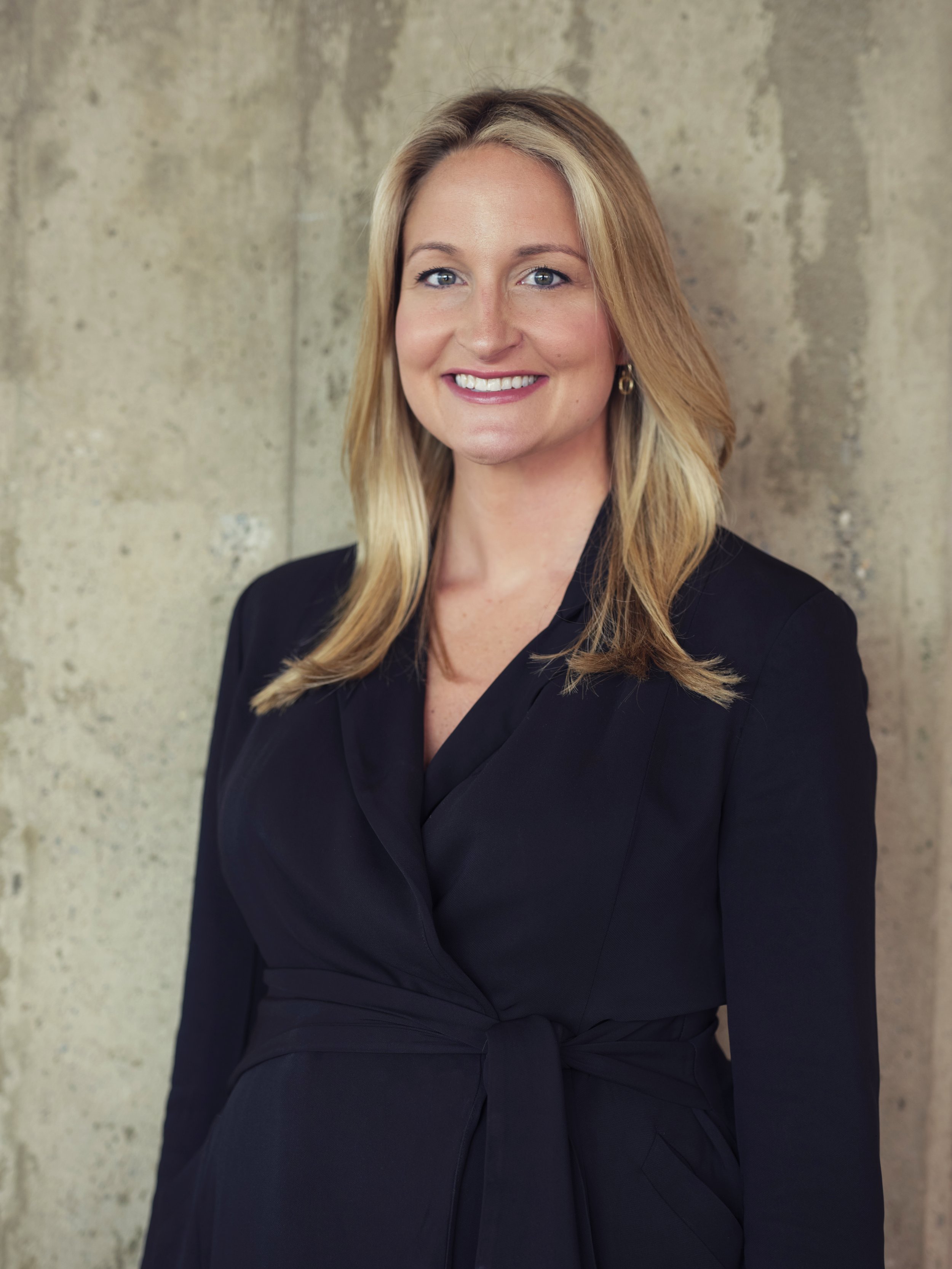
I’m a Midwest native turned East Coaster, a mom of two, and a strategic operator who started in technology before moving into marketing.
I began my career at JPMorgan Chase in enterprise systems and business intelligence, working on CRM platforms and large-scale data infrastructure. I learned early that data architecture drives business outcomes and that someone has to translate between engineers and business leaders.
At Urban Outfitters, I worked on enterprise data warehousing and marketing systems across multiple brands, consolidating platforms and building the infrastructure that enabled more sophisticated lifecycle marketing. That’s where I developed a core belief: infrastructure determines growth.
I later helped launch Nuuly, Urban Outfitters’ rental business, which marked my shift from system builder to revenue owner. I went on to lead retention and lifecycle at Nordstrom and later owned digital marketing at a luxury watch company.
Three years ago, while becoming a mother, I transitioned into consulting and co-founded Monark & Co. Today I operate as a fractional CMO and growth leader. We specialize in e-commerce, with strengths in lifecycle strategy, website and UX, growth channels, and creative services.
The common thread across my career is simple: systems, strategy, and execution must align. I love building systems that scale in both business and life.
What do you wish you’d known when you started out?
When I first moved into consulting, I wish I had known that you can’t do it alone. Your network really is your net worth.
Early in my career, I was very focused on doing excellent work and delivering results. Building relationships matters just as much. Most meaningful opportunities come through trust.
I also wish I’d understood that building systems is more important than producing short-term output. Anyone can sprint but fewer people can design infrastructure that compounds over time. The reason I'm so focused on systems is that without them, boundaries become hard and burnout happens as a result.
Best career advice you've ever received?
Hire and fire on culture. Skills can be taught. Integrity, empathy, and energy cannot. I recently attended an event where a founder shared that when an employee is sick, they send dinner to their home. That detail stuck with me. It signals something deeper — that the company sees the human, not just the output.
I’m in a season of life where this matters more than ever. As a mother of two building a business, I’ve realized that personal and mental health are not “nice to have”, they’re foundational. Sustainable performance only exists when people feel supported.
I believe in leading with empathy, clarity, and accountability. High standards and humanity are not opposites. The strongest cultures balance both.
What leadership qualities are important to you?
I use the phrase "Calm. Cool. Collected." a lot, even when I don’t feel that way inside. I think of the duck above the surface, paddling like crazy beneath.
People need to know you have a strategic direction. They need to feel that you’re going to lead them there. They shouldn’t feel the chaos, even if you’re managing it behind the scenes.
Your job isn’t to transfer your stress to the team. It’s to create clarity and forward motion, no matter what’s happening underneath.
What has been the biggest challenge in your career so far?
Launching Nuuly. Hands down. It was a feat. Building and launching something entirely new alongside a team who was also on this journey for the first time — on an aggressive timeline, while aligning tech, marketing, operations, merchandising, and finance — felt like a community-building endeavor as much as a business one. There were what felt like a lifetime’s worth of challenges packed into a short period of time. Infrastructure decisions. Cross-functional tension. Ambiguous ownership. Evolving strategy. I remember growing through everything together — even physically moving into a new building. At one point, I was seeding product reviews because we realized we would launch without any fit notes.
I made lifelong friends in the process. And more importantly, it laid the foundation for my future career in a way I’m forever grateful for. It forced me to move from systems thinker to operator. From contributor to leader. I wouldn’t trade that experience for anything.
How do you define success in your career, and how has that definition evolved over time?
Success to me used to mean a big title and lots of money. Success to me now is doing really good work, but more than anything it’s looking at my calendar for the week and feeling like I have balance.
It’s prioritizing my mental and physical health. Prioritizing my kids, not being on my phone when I’m with them, and protecting time for my family. It’s weaving a passion of mine into my day to day life instead of separating work and life completely. I truly love what I spend time doing every day. I am busy, but I don’t mind it because I actually enjoy almost every meeting I’m in. That shift from external markers to internal alignment is what success looks like to me now.
How has networking contributed to your professional growth and success?
I’ve recently realized that I really need community, especially other female founders, mothers building things, accomplished women who are in it. Networking, for me, isn’t about sales. It’s about the vibe and trust. It’s about being around people who understand what it means to build while also raising kids and navigating real life. I’ve started making intentional space for it. I’m mentoring, and still actively looking for mentor(s) of my own. I’m attending things like women’s business lunches and founder gatherings. Next week I’m heading to NYC for Metamorphosis, and the week after that I’m going to a CX in the City event. It reminds you that you’re not building alone and keeps you grounded in the realities of life. We're all going through this together!
What are your top networking tips for building strong connections in your industry?
You may feel like the best place to go is to your "target customer" but sometimes, the best place to go is actually to your competition. Start talking to consultants or people who do your job but better. Speak to people at other brands with the same role as you. Those connections have been so incredibly valuable to me.
LinkedIn: https://www.linkedin.com/in/rachelgoebel/
Website: https://www.monarkandco.com/
Instagram: @monark.and.co/
