
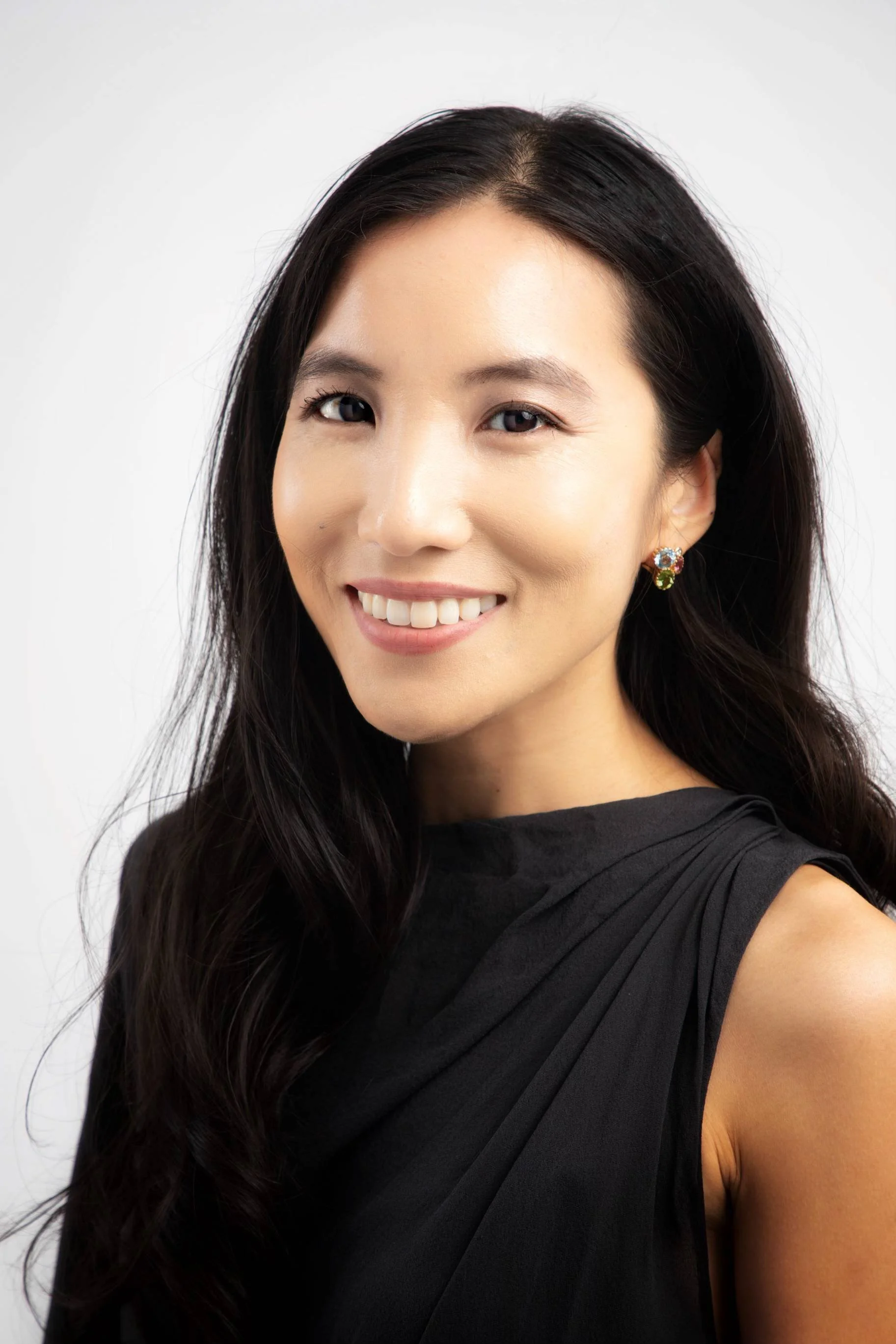
Tell us about your background:
I started my career in fashion working in business operations for menswear designer John Bartlett. That experience gave me an early look at the operational side of running a fashion business and ultimately pushed me to launch my own line. I founded a sustainable menswear line and a pet accessories brand, which I ran for six years before returning to the corporate side of the industry as a technical designer. In that role, I worked with companies including Talbots, Anne Klein, and Ralph Lauren, partnering closely with design, development, and production teams.
While at Ralph Lauren, I became increasingly interested in the broader business and systems behind fashion. I decided to pursue an MBA at Columbia Business School, where I focused on impact investing, venture capital, and sustainable product entrepreneurship. During the program, I co-founded a skincare brand with a classmate that centered on ingredient transparency and circular packaging.
After business school, I joined the sustainability consulting division at Boston Consulting Group, where I worked on product portfolio transformation and climate strategy for Fortune 500 companies. That experience gave me exposure to how large organizations approach sustainability from both a strategic and operational perspective.
Today, I run an innovation and sustainability consulting firm, Reframe Partners, with a former Ralph Lauren colleague. We work with companies on sustainable product strategy and help translate high-level goals into practical decisions across design, materials, and product development. As rewarding as consulting has been, I am interested in returning to an in-house role at a fashion company where I can work closely with a team and focus on implementing many of the strategies I have spent the past few years advising on.
What do you wish you’d known when you started out?
I wish that I knew that merchandisers holds more power than design teams to make decisions of what gets produced in a line in large apparel company. Also, I wish that I started out in a generalist business role, rather than focusing on the side that I was felt passionate about at the time.
Best career advice you've ever received?
I don't know if this is the best advice, but it's something that sticks with me. Part of your job is to make your boss shine.
What leadership qualities are important to you?
Honesty, working smarter not just working longer/harder, and accountability.
What has been the biggest challenge in your career so far?
I think I fell into a technical design career because of my first corporate job in that role, but it didn't really encapsule the systems and business thinking that I had as an entrepreneur. So my biggest challenge has been staying focused on building a career and not doing the next thing that I am intellectually curious about.
How do you define success in your career, and how has that definition evolved over time?
This might sound a bit philosophical, but success used to be highly external in my youth, and now success is largely a function of internal satisfaction.
How has networking contributed to your professional growth and success?
Networking has been the best thing for me to find my next role. Except for one freelance gig that turned into a full time position, every job I have ever been hired for has been through a referral.
What are your top networking tips for building strong connections in your industry?
Meeting in real life is so important. Show up at events even when you don't feel like meeting people. I host events with people that I want to work with or at companies that I want to work for. If you are going to connect with someone on Linkedin and you have never met that person, send them a note. You are more likely to get someone to accept your invitation.
LinkedIn: https://www.linkedin.com/in/tiffany-pek/
Website: https://reframepartners.co/
Instagram: @tinymetalfire
