
In Conversation with Libby Shani
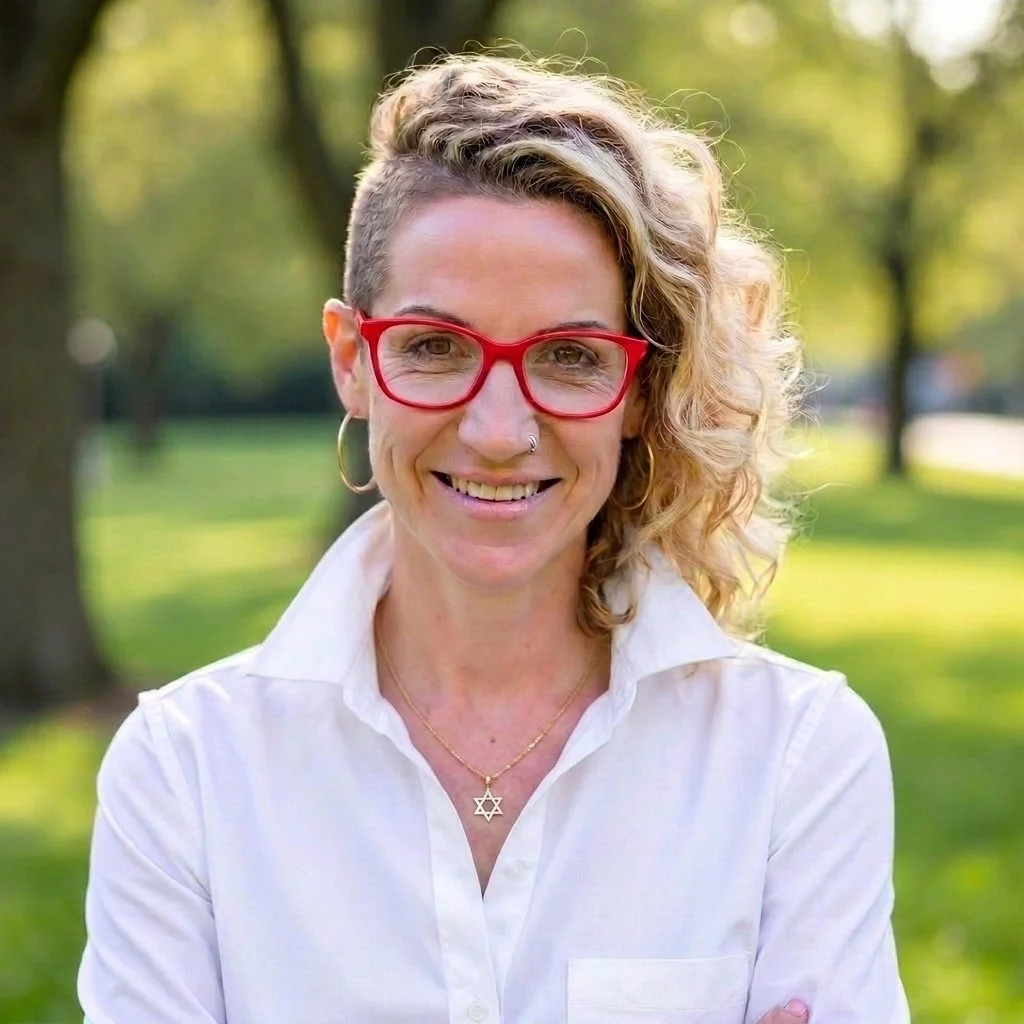
Tell us about your background:
Growing up I always loved shopping and being in stores, so in some ways retail found me early — even though it took a winding road to get there. I actually had two full careers before I ever worked in retail professionally. Right out of college, I chased a dream out to Hollywood and spent six years in film production. When that chapter ended, I fell — almost by accident — into the nonprofit sector, and spent the next five years fundraising for different Jewish organizations before moving back to NYC.
When I landed a job as a PT seasonal sales associate at The Container Store, it definitely wasn't an intentional career move – I just needed a job– but the retail industry and I took to each other immediately. What started as a way to pay rent turned into six promotions in five years, and by the time I left, I was running the Chelsea flagship as Operations Manager, overseeing what was, at the time, a $35 million business.
From there I moved into concept retail at STORY, then spent years leading some of the industry's most exciting retail "firsts": Chanel's first beauty concept shop, Atelier Beauté; Figs' first pop-up in 2019; and store launches for brands like Wildfang and Sarah Flint. Somewhere along the way — through job changes, industry pivots, and a temporary gig I almost turned down — I built the exact skill set that would eventually become the foundation of my own company.
In 2021, my business partner and I started rekon Retail because we kept watching great brands nail e-commerce growth and then struggle the moment they tried to bring their brand into a physical space, which we believe is the truest expression of who and what a brand really is. At rekon, we're retail operators first: we focus on retail entry, retail expansion, and retail optimization for founder-led and scaling brands. Our team works out in the field with our sleeves rolled up — retail launch plans, design/build management, people ops, store ops setup, Shopify POS implementations — because we believe the best retail experiences are built on operational excellence that clears the way for a front-line team to actually connect with customers.
My path was far from linear — Hollywood to fundraising to The Container Store to concept retail to agency partner — but every stop taught me something I still use today. I didn't choose retail because I had a five-year plan. I chose it because I needed a paycheck, and it turned out to be the thing I was best at and most energized by. That's a lesson I still carry: the direct path isn't always the right one, and sometimes the job you take just to get by ends up being the one that changes everything.
What do you wish you’d known when you started out?
To say yes to interesting opportunities, even when they don't fit a tidy career plan. There's no cookie-cutter path to success, and every professional detour teaches you something — even when you can't yet see where it leads. When I left Chanel after opening the Atelier Beauté because the company wasn't a culture fit for me, I was job hunting and got offered a temporary store manager role for Figs' pop-up. I almost passed on it. It was looking for something permanent and more stable, but my career coach pushed me to take it, reminding me that it was a great brand, that I had nothing better going on at the time, and that I couldn’t know where it might lead. She was right: that "temporary" gig led to a Director of Retail role at another DTC brand, and a few years later, once we'd started rekon, it circled back around — Figs became one of our clients when they were starting to open permanent retail stores. The opportunity I almost turned down ended up threading straight through to the start of my company.
Best career advice you've ever received?
Shoot your shot. Pick up the phone, send the email, reach out to the contact, ask for help — just do the thing. Action is what creates results, and you never know what one email or one phone call might lead to. You're always better off trying.
What leadership qualities are important to you?
I believe in servant leadership — a leader's job is to make the people around them successful, full stop. One of the best pieces of feedback I ever received came from a manager who told me, "You have a big personality, and I don't want you to be less you — I just want you to create a little space for others to be more them." That reframed leadership for me. It's not about knowing all the answers, being the loudest voice in the room, or always being first — it's about building an environment where everyone feels comfortable bringing their best to whatever mission we're tackling together.
What has been the biggest challenge in your career so far?
Learning how to be an entrepreneur. I never imagined I’d be running my own company — I always assumed I was too risk-averse to leave the security of working for someone else. Building rekon from the ground up, and everything that comes with it, has been in equal parts the hardest and most rewarding thing I've ever done.
How do you define success in your career, and how has that definition evolved over time?
Today, success means freedom: freedom to choose the clients and projects we take on, freedom over my day-to-day schedule, freedom to take time off when I want to, freedom to work from anywhere in the world.
That's not how I always defined it. Earlier in my career, success looked like title, status, and money — the next promotion, the next tier, the next bigger opportunity. Now it's about having built enough to actually enjoy that freedom and live life on my own terms.
How has networking contributed to your professional growth and success?
As a consultant, so much of our ability to grow as a boutique agency comes down to relationships and getting our name out there so that people know A) that we exist and B) how we can help them grow their brand's business. One particular story I love: when I got laid off from my VP of Retail role during COVID, I reached out to a casual acquaintance from elementary school. Even though we had also attended the same college, we weren't really friends, but she was in the retail industry and we had a few friends in common, so I asked her for a chat. A few weeks later, she introduced me to another person from our grade school, from a different class year, who was starting a wellness business and needed exactly the kind of retail and operational expertise I could offer. That introduction turned into my first-ever consulting client, and five years later this brand is still a client, and we're opening new locations together. None of it would have happened without one casual, low-stakes catch-up with someone I barely knew.
I also have my network to thank for introducing me to the person who would ultimately become my business partner when we launched rekon Retail together.
What are your top networking tips for building strong connections in your industry?
I have two:
1. Give more than you take. Most people only activate their network when they need something (ie I lost my job so I'm going to reach out to my network to see who might know of something...) But the strongest relationships are the ones you maintain by checking in regularly, sharing something that made you think of that person, or just staying present when you don't actually need anything at all.
2. Be consistent and authentic. Networking is relationship-building, and no one is ever thinking about you as much as you think about you. If you want your network to be there when you actually need it, keep showing up — check in, share authentic updates about how you're doing, celebrate their successes, respond to their invites. Consistency is what creates real returns in networking as people mature and progress in their own careers, change companies and career paths, and your net subsequently gets wider and wider (IF you've maintained it well).
LinkedIn: https://www.linkedin.com/in/libbyshani
Website: rekonretail.com
Instagram: @retailisalive
