
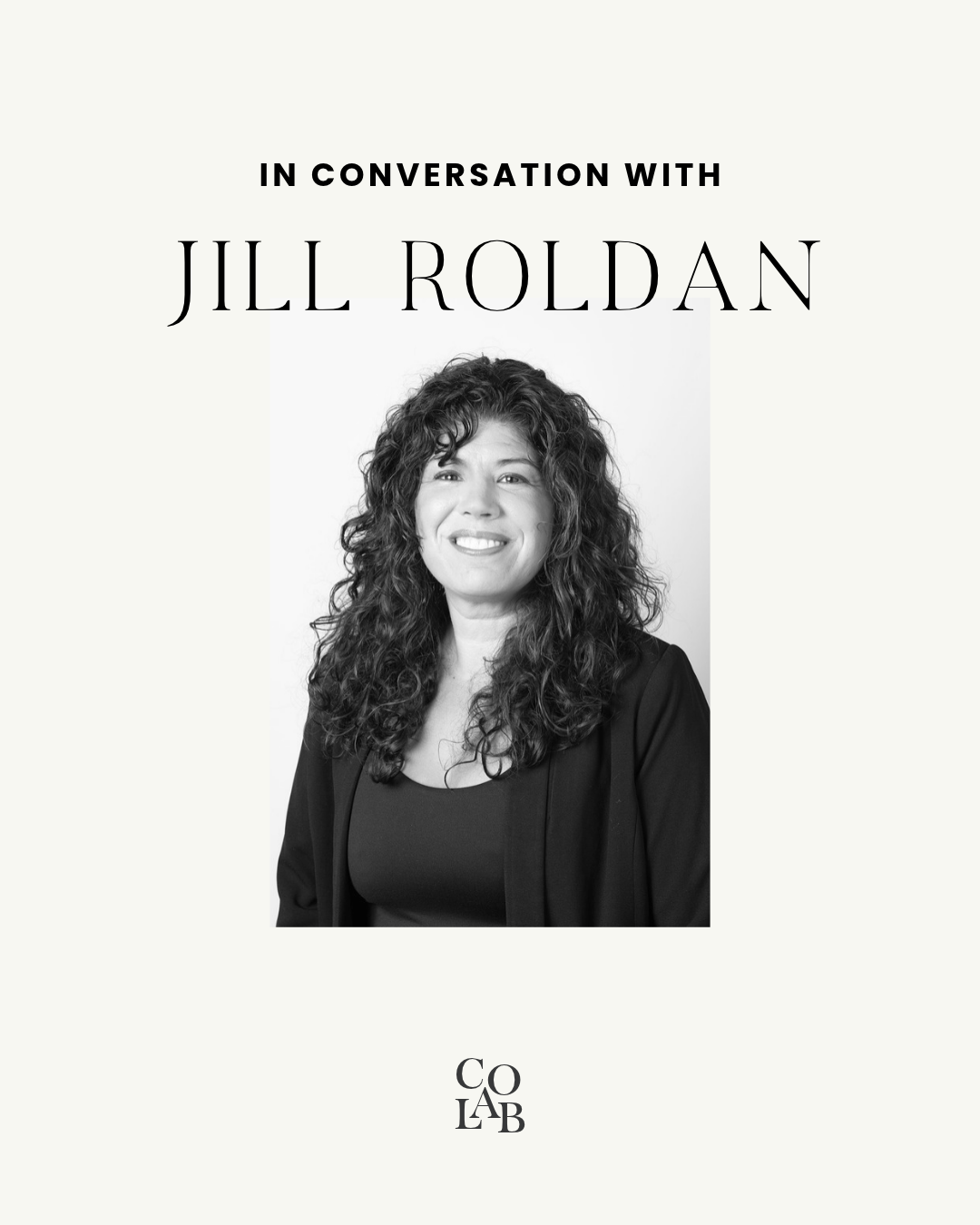
Tell us about your background:
I am a creative and operational leader with almost 20 years of experience spanning visual merchandising, retail environments, brand storytelling and team development.
Earlier in my career, I held visual merchandising roles at Calvin Klein, New York & Company and Coach. Most recently, I spent 11 years at Cole Haan, where I grew from Visual Merchandising Manager to Senior Director of Global Visual Merchandising. In that role, I led visual merchandising across North American full-price and outlet stores, wholesale and international markets. My team was responsible for translating seasonal brand and product direction into physical experiences, including windows, in-store presentations, product storytelling, floorsets, showrooms, press previews and sales meetings.
My work has always extended beyond the traditional definition of visual merchandising. I partnered closely with Creative, Brand Marketing, Retail, Product, Store Design, International and Wholesale teams to turn broad business objectives into strategies that could actually be executed. That meant developing the creative approach, building the process, aligning cross-functional partners, managing budgets and vendors, and ensuring that the final experience worked in the real world.
Over time, I realized that one of my greatest strengths is bringing structure to complex or ambiguous situations. I enjoy seeing the full picture, identifying what is missing and creating a clear path forward. I believe creativity and operational discipline strengthen each other. A great idea only creates value when a team has the clarity, resources and support needed to bring it to life.
The part of leadership I value most is developing people. I have had the opportunity to recognize talent in individuals who may not have followed a traditional corporate path and help them grow into larger roles. Some of the leaders I am proudest of developing began in store-level positions before moving into corporate roles. I believe strong leadership is not about being the loudest person in the room. It is about listening, being direct, creating trust and giving people the opportunity to do work they may not yet realize they are capable of doing.
After more than a decade with one company, my role was recently eliminated as part of an organizational restructure. While the transition was unexpected, it has given me the opportunity to step back and think more broadly about where my experience can create the most value. I am exploring senior leadership opportunities across visual merchandising, brand experience, experiential and retail strategy, while also learning more about change management and organizational transformation.
At the center of all these areas is the work I have always enjoyed most: connecting creative vision with practical execution, building stronger ways of working and helping people and organizations move through change.
What leadership qualities are important to you?
The leadership qualities that matter most to me are clarity, trust, accountability and empathy.
I believe people do their best work when they understand what is expected, why the work matters and how their contribution connects to the larger goal. As a leader, it is my responsibility to provide that clarity, remove obstacles and give people the support they need to succeed.
Trust is equally important. I want the people on my team to feel empowered to make decisions, share ideas and tell me when something is not working. I also want to be a safe place for them to bring a challenge, talk through a mistake or work through something they have not figured out yet without feeling judged. Sometimes people need guidance, and sometimes they simply need space to think out loud with someone they trust.
Creating that environment does not mean avoiding accountability or difficult conversations. I believe in being kind and direct, setting clear expectations and addressing issues before frustration has the opportunity to build. Honesty and empathy should work together.
I also believe good leaders recognize potential that may not be obvious on paper. Some of the people I am proudest of developing came from nontraditional backgrounds or roles where their abilities had not yet been fully recognized. Taking the time to understand what motivates someone, where their natural strengths are and what they are capable of becoming is one of the most meaningful parts of leadership.
Ultimately, I want the people I lead to know that I will support them, be honest with them and step in when they need me, while still giving them the space and confidence to grow.
How do you define success in your career, and how has that definition evolved over time?
Early in my career, I defined success through progression. I was focused on taking on more responsibility, earning the next title and proving that I could handle increasingly complex work. Those milestones mattered at the time, but my definition of success has expanded over the course of my career.
I still find enormous satisfaction in the finished product. There is a distinct moment when an idea that began as a sketch, conversation or plan becomes real. Seeing the final window, store experience or event look the way we envisioned it, or become even better through the creative process, is one of the most rewarding parts of the work for me.
Today, I also think about success in terms of the impact surrounding that final result. Did I make the work stronger? Did I create clarity where there was ambiguity? Did I build something that can continue to function without depending entirely on me? Most importantly, did the people I led grow in their confidence, judgment and careers?
Some of my proudest accomplishments are not individual projects. They are the teams, processes and ways of working I helped build. Seeing someone I advocated for step into a larger role, watching a team solve a problem independently or knowing that a structure I created continues to support the business is deeply meaningful to me.
At this stage of my career, I am less motivated by a specific title or compensation milestone. Success means doing work I am proud of with people I respect and genuinely enjoy working with. I want to be challenged, continue learning and contribute at a high level in an environment where people trust one another and communicate honestly.
At the end of the day, success can also be as simple as going home feeling proud of a job well done. It may be a major accomplishment or a small win, but that sense of satisfaction and progress is what keeps the work meaningful and gives you something to build on the next day.
How has networking contributed to your professional growth and success?
The relationships I have built throughout my career have exposed me to different perspectives, challenged my thinking and helped me grow beyond my immediate role. Because visual merchandising connects with nearly every part of an organization, I have had the opportunity to work closely with people at all levels across stores, creative teams, business functions and external partners.
The value of those relationships has become especially clear during this period of transition. People from different stages of my career, from junior team members to senior executives, have reached out with encouragement, advice, introductions and opportunities. When I have reached out to others, I have been equally struck by how generous people have been with their time, perspective and willingness to help.
That support has been incredibly meaningful and has reminded me that the relationships we build through our work can continue to contribute to our growth long after a particular project or role has ended.
What are your top networking tips for building strong connections in your industry?
Networking has always happened organically for me. My strongest connections have grown from being authentic, loyal and consistently showing up for people.
Be curious about what others do and willing to help solve a problem, even when it falls outside your immediate responsibility. Some of my strongest relationships developed because I became a trusted sounding board when someone needed a safe place to think through a challenge without feeling judged.
I also believe meaningful connections can exist at every level of an organization. Focus less on someone’s title or what they might be able to do for you and more on building trust through how you work with and support one another. People remember how you made them feel long after a particular project or role has ended.
