In Conversation with Jenny Coates
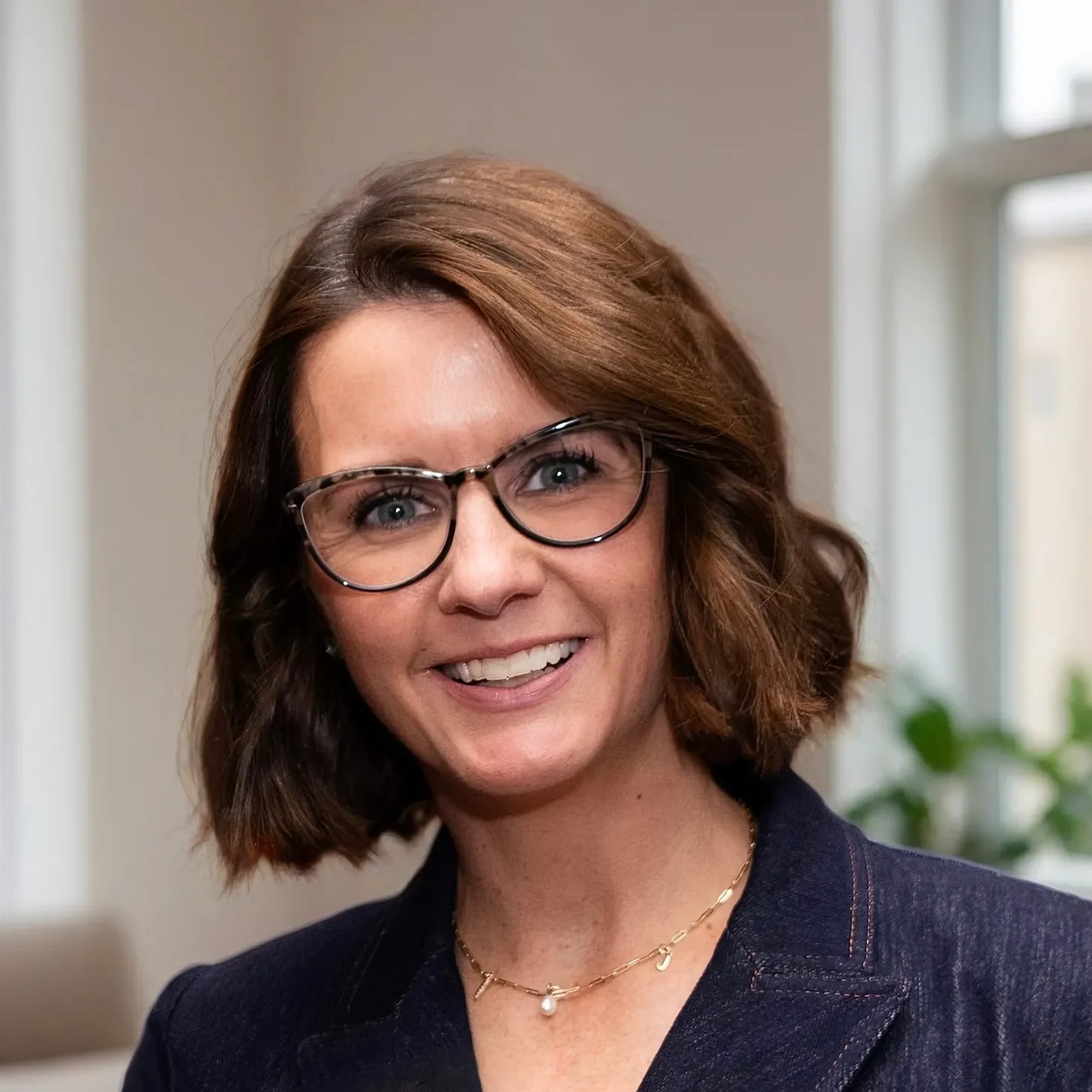
Tell us about your background:
I’ve spent 25+ years in consumer businesses, and to me, my career makes much more sense in hindsight than it did as I was living it.
I started my career close to the product and customer, in merchandising and retail at Martha Stewart and Macy’s, then moved across sales, marketing, planning, ecommerce and ultimately full P&L and enterprise leadership. I’ve worked in beauty, fragrance, luxury, home, housewares, apparel and consumer products, across companies ranging from enormous global organizations to founder-led startups. That breadth has become one of my biggest advantages as an operator because I rarely look at a sales problem as just a sales problem, or a marketing problem as just a marketing problem.
At StoreBound, the company behind Dash Appliances, I joined when the business was in its very early stages and helped scale it over 7x in revenue and through its acquisition by Groupe SEB. Along the way, we expanded gross margin 2x, built Amazon to nearly $100M, dramatically expanded retail distribution to over 11,000 stores plus ecommerce, and built much of the commercial and operating infrastructure required to support that growth. Later, as President of Boathouse, I led a 180-person organization through an enterprise transformation spanning strategy, finance, merchandising, operations, digital and organizational design.
Today I also advise founder-led and investor-backed consumer companies through JLC Strategic Advisory. I tend to be most useful when a business has real opportunity, but growth, complexity or changing market conditions have outpaced the way the company operates. I like figuring out what is actually getting in the way, then connecting strategy, people, process and financial discipline so the organization can move faster.
The other important piece of my background is that I was a professional singer before I was an executive, and I still perform here and there. The older I get, the more I realize those careers are not nearly as unrelated as I used to think they were. Standing in front of an audience teaches you preparation, presence, resilience and how to read a room very quickly. Those are pretty useful executive skills too.
Outside of work, I’m deeply involved in nonprofit and community organizations, particularly in my local community and the Irish-American community.
To sum up: I’m endlessly curious. I like hard problems, smart people, ambitious businesses and learning things I don’t already know.
What do you wish you’d known when you started out?
That doing excellent work and making sure people understand the value of that work are two different responsibilities, and you have to do both.
Early in my career, I thought the work would speak for itself, but it doesn’t always. One of my favorite projects was an idea I conceived and relentlessly championed to bring the actual Waterford Times Square Ball to Macy’s Herald Square. It became an enormous success, but I did very little to make sure my own contribution was understood afterward. I wouldn’t make that mistake today.
I wish I’d learned earlier that advocating for yourself isn’t ego. Done correctly, it’s clarity.
Best career advice you've ever received?
Get comfortable saying, “I don’t know.”
I used to think seniority meant having more answers. I now think good leadership is knowing which answers matter, asking much better questions, and being secure enough to change your mind when someone else has better information.
“I don’t know, but I’m going to figure it out” has taken me much further than pretending certainty ever could.
What leadership qualities are important to you?
Curiosity first. Then commercial judgment, low ego, high accountability, and the ability to be equally comfortable with people and numbers.
I want leaders who can say “I don’t know,” challenge an idea without attacking the person who had it, make a decision when the information is imperfect, and own the outcome afterward.
I also value optimism, but useful optimism. Not “everything will be fine.” More like, “this is difficult, but there is probably a way through it, so let’s figure out what it is.”
And humor matters. We spend far too much of our lives at work not to enjoy the people we’re doing it with.
What has been the biggest challenge in your career so far?
Learning when being adaptable is a strength and when it can become a liability.
I’ve built a career by being the person who can walk into complexity, understand what needs doing, and stretch beyond the boundaries of a job description. That has given me unusually broad experience across sales, merchandising, marketing, ecommerce, finance, operations and organizational leadership.
The challenge has been learning that the market loves breadth once it understands it, but doesn’t always know how to categorize it initially. As I’ve become more senior, I’ve gotten much more deliberate about defining the through-line: I’m an operator and builder. I help consumer businesses turn growth and complexity into stronger organizations and sustainable enterprise value.
How do you define success in your career, and how has that definition evolved over time?
Earlier in my career, success was fairly conventional: bigger title, bigger business, bigger responsibility. I still care enormously about results, even though I recognize I have a hard time pausing to recognize success before immediately turning my head to the next peak. Revenue, margin, EBITDA, market share and enterprise value matter. But my definition has expanded.
I now think the best measure of my leadership is whether the business and the people in it are stronger because I was there. Did we build something that lasts? Are people making better decisions without needing me in the room? Did talented people grow into bigger jobs? Did we preserve what customers loved while making the business healthier and more scalable?
The numbers tell you whether you succeeded. What remains after you leave tells you what kind of leader you were.
How has networking contributed to your professional growth and success?
Enormously. And frankly, I waited far too long to properly invest energy in this space. Some of the most important relationships in my career are people I met 15 or 20 years ago. We have hired each other, recommended each other, made introductions, shared information, asked for advice, and occasionally just talked one another off professional ledges.
The revelation for me has been that the best professional network isn’t something you activate when you need a job. It is something you build over an entire career by being curious about people, staying in touch and being useful when there is absolutely nothing in it for you.
My current career chapter has reinforced that dramatically. The number of people who have opened doors, made introductions or simply spent an hour helping me think has been extraordinary, and it has made me much more intentional about doing the same for other people.
What are your top networking tips for building strong connections in your industry?
Be interested first, then interesting. Ask good questions and actually listen to the answers.
Give before you need something. Make the introduction. Send the article. Recommend the candidate. Share the idea.
Stay in touch when you don’t need anything. If the only time someone hears from you is when you’re looking for a job, you don’t have a relationship. You have a contact list.
And ASK. This one took me longer to learn. People cannot help you with something they don’t know you want. Be specific enough that someone can actually picture the introduction, opportunity or person who might be useful.
LinkedIn: https://www.linkedin.com/in/jennylynncoates/
Website: jennycoates.com
Instagram: @jennylynncoates
